


Wellness Trends for Mushroom Owners: Gold IRAs, THCa, Delta 9 & Peptides

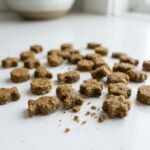
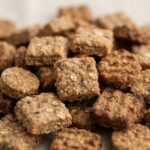
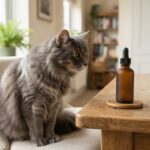
Pick up two bags of Holistapet CBD cat treats from two different brands and the ingredient lists rarely match, even when both claim the same milligram dose on the front label. The hemp extract itself is only one part of the formula, and the rest of the list explains a lot about quality, texture, and how a cat’s body will process the product. CBD comes from the flowers and leaves of the hemp plant, a variety of Cannabis sativa bred to contain low levels of THC. The extraction method used to pull cannabinoids out of the plant material affects both cost and purity. CO2 extraction is the industry standard for higher-end products. It uses pressurized carbon dioxide instead of chemical solvents, leaving little to no residue behind. Ethanol extraction is cheaper and still common, and when done correctly produces a clean product as well. Butane or hexane extraction, used by lower-cost manufacturers, carries more risk of solvent residue if the process isn’t fully purged. This is one reason lab testing matters more than marketing language like “premium” or “pharmaceutical grade,” terms that carry no regulatory meaning in this industry. CBD is fat-soluble, so it needs to be suspended in something before it can be baked or mixed into a treat. Most brands use MCT oil (derived from coconut) or hemp seed oil as the carrier. Both are considered safe for cats in small quantities. Beyond the carrier, the base of the treat is where quality diverges most: This distinction shows up on almost every label and confuses more buyers than it should. Full-spectrum products are built around the “entourage effect,” a theory that cannabinoids work better together than in isolation. The theory has support in human research but very little direct study in cats specifically. Isolate-based treats are the most straightforward to dose accurately since there’s only one active compound to account for. Front-of-package claims are unregulated in this category. A bag can say “calming” or “supports joint health” without the FDA reviewing that claim, because CBD is not an approved animal drug ingredient. The back of the label, specifically the supplement facts panel and ingredient list, carries more reliable information. Look for: If a company only lists “proprietary hemp blend” without a milligram figure, treat that as a red flag rather than a selling point. Ingredient transparency separates a functional product from a guess. The extraction method, carrier oil, and cannabinoid type all shape what actually reaches a cat’s system, regardless of what the front of the bag promises. Dogs communicate through behavior, body language, vocal sounds, and changes in routine. When a dog feels uneasy, the signs may be subtle at first. A dog might follow a familiar person from room to room, hesitate before entering a particular space, pant without recent exercise, or have trouble settling down. Occasional stress can happen in otherwise healthy dogs. Travel, loud sounds, household changes, separation, unfamiliar surroundings, and visits to unfamiliar places can all affect behavior. For owners considering Holistapet CBD calming chews for dogs, understanding what CBD is, what remains uncertain about its effects, and how to approach supplements responsibly can help prevent unrealistic expectations. Stress is part of normal animal behavior. A dog may become alert when hearing an unfamiliar noise or become cautious around a stranger. Once the situation passes, many dogs return to their usual behavior. Problems become more concerning when fear or nervousness is frequent, intense, or disruptive. A dog that repeatedly destroys objects when left alone, refuses food during stressful events, hides for extended periods, or reacts aggressively may require more than a supplement. Behavioral signs can include: These signs are not specific to anxiety. Pain and illness can produce similar behaviors. A sudden change should therefore be evaluated carefully instead of automatically being labeled as stress. CBD and THC are both cannabinoids, but they have different properties. THC is the cannabinoid associated with the intoxicating effects of cannabis. CBD does not produce the same intoxicating effect. This distinction is relevant when evaluating products made for pets. A product marketed as CBD may still contain other cannabinoids or trace amounts of THC depending on how it was produced. Product labeling and independent laboratory testing can therefore be useful when assessing what a dog is actually receiving. The absence of intoxication does not mean CBD is appropriate for every dog. Individual health factors and medication use still matter. Dogs have an endocannabinoid system, which is involved in several biological processes. This has contributed to scientific interest in cannabinoids and veterinary medicine. Research involving canine CBD has investigated subjects such as drug absorption, safety, osteoarthritis, and seizure-related conditions. Results from these studies do not establish that CBD treats every form of canine stress. Research on behavioral calming effects remains more limited. That gap between scientific evidence and product advertising deserves attention. A product claim should not automatically be treated as a medical finding. A dog chew can contain several ingredients in addition to CBD. The amount of CBD may also differ from one product to another. For that reason, reading the label is more useful than relying on the product name alone. The package should clearly identify the amount of CBD and provide enough information to understand the formulation. Look for: A certificate of analysis, when available, may provide laboratory information about a particular batch. It can be especially useful when it identifies cannabinoid concentrations and testing for contaminants. The document should correspond to the actual product and batch rather than being a generic laboratory report unrelated to the package being purchased. CBD dosing for dogs should not be approached as a simple calculation based only on body weight. Product concentration, formulation, medical history, and other medications can influence the appropriate approach. Commercial products may also provide different serving instructions. A chew containing a relatively small amount of CBD cannot be compared directly with a product containing several times more. Veterinary guidance is particularly appropriate when a dog has a chronic condition, takes prescription medication, is pregnant or nursing, or has previously reacted to supplements. When introducing any new supplement, observation is useful. Keep track of: A simple record can reveal patterns that might otherwise be overlooked. For example, if a dog consistently becomes unusually sleepy after receiving a product, that information may be relevant when deciding whether continued use is appropriate. A dog does not experience stress in isolation from its surroundings. Changes to the environment can influence behavior just as strongly as the event itself. During a thunderstorm, for example, a quiet interior room may be more comfortable than a busy area near windows. During fireworks, reducing exposure to flashes and loud sounds may help decrease stimulation. Several simple steps can make stressful situations easier to manage: A predictable routine can also help dogs understand what happens next. Feeding, exercise, rest, and interaction at relatively consistent times may provide useful structure. Behavior modification can address the underlying response to specific triggers. A dog that fears car rides, for example, may benefit from gradual exposure paired with positive reinforcement. The process should remain below the level that causes overwhelming fear. Forcing a dog into a situation it cannot tolerate may make the response worse. Professional assistance may be appropriate for severe cases. Veterinary behavior specialists and qualified trainers can help identify triggers and establish a structured plan. CBD should not be viewed as a replacement for behavioral intervention when the dog’s problem is persistent or severe. Some situations call for professional assessment before any supplement is introduced. A veterinary appointment is particularly reasonable when: A veterinarian can consider medical causes that may be missed when behavior is assumed to be anxiety. A dog with arthritis, for example, may become irritable because movement hurts. A dog with gastrointestinal discomfort may pace or appear unable to settle. Treating the underlying problem is more appropriate than assuming a calming supplement will solve the behavior. CBD products are often presented as mild wellness products, but dogs can experience unwanted effects. Reported effects may include sleepiness, changes in appetite, gastrointestinal upset, or changes in coordination. The response may vary between individual animals. A product that appears well tolerated by one dog should not automatically be assumed to produce the same response in another. Accidental overconsumption is another concern. A dog that opens a container and consumes multiple chews may receive considerably more than the intended amount. Packaging should be stored securely. If an unusual or concerning reaction occurs, additional doses should be withheld while veterinary advice is sought. Serious symptoms require prompt professional attention. Pet supplements occupy a large and varied market. Some products are described using terms such as “natural,â€� “calming,â€� “daily support,â€� or “stress relief.â€� These descriptions can be useful for identifying the intended purpose of a product, but they do not establish clinical effectiveness. The strength of evidence depends on the question being asked. Evidence that CBD can be absorbed by dogs is different from evidence that a specific CBD chew reliably reduces separation anxiety. The same principle applies to claims about pain, inflammation, sleep, seizures, and other health conditions. A responsible evaluation considers the quality of the research, the formulation tested, and whether the study population resembles the dog receiving the product. Before using a CBD chew, consider: These questions encourage a measured approach instead of relying solely on advertising. For occasional stressful events, preparation can make a difference. If a dog reacts to thunderstorms, for example, a quiet resting area can be prepared before severe weather arrives. Familiar objects can be placed nearby, and unnecessary stimulation can be reduced. The same idea can apply to travel. A familiar blanket, predictable feeding schedule, gradual vehicle exposure, and appropriate restraint can help create a more consistent experience. CBD may be considered within such a routine when appropriate, but it should not become the only strategy. A dog’s overall environment, exercise needs, training, health, and social interaction all contribute to behavior. CBD chews may interest dog owners seeking additional support during occasional stressful situations, but evidence for calming effects remains limited and individual responses can differ. Careful product selection, veterinary guidance when appropriate, environmental changes, and behavioral support provide a more responsible way to approach canine stress. Treats are a familiar part of life with a dog. They can be used during training, offered after grooming, or given as an occasional snack. Products containing cannabidiol require a different level of attention because CBD is still being studied in animals, and veterinary regulators have raised concerns about product quality, safety, and unproven health claims. For that reason, Holistapet CBD Dog Treats should be evaluated through several practical questions rather than a single promise printed on a package. Understanding the ingredient, checking the concentration, reviewing the rest of the formula, and considering the dog’s health history can help prevent careless decisions. A CBD treat is generally a conventional-looking dog snack with cannabidiol added to the formula. The treat may resemble a biscuit, soft chew, jerky-style snack, or another familiar format. The appearance tells very little about the amount of CBD inside. CBD is one of many cannabinoids found in cannabis plants. THC is another cannabinoid, and it has intoxicating effects that CBD does not typically produce. That distinction matters because dogs can experience adverse effects after cannabis exposure, particularly when THC is involved. The U.S. Food and Drug Administration has not approved cannabis for use in animals and has stated that it cannot ensure the safety or effectiveness of cannabis products marketed for pets. The agency has also warned consumers about products promoted with unsupported medical claims. A useful first step is to ignore the front of the package temporarily and examine the information panel. Product names and advertising phrases can create an impression about what a treat does, while the ingredient panel provides more concrete information. Look for the amount of CBD per treat rather than relying only on the total amount contained in the package. For example, a bag containing 300 milligrams of CBD does not tell the buyer how much is present in each piece unless the number of treats is also known. The following details can make a product easier to evaluate: A certificate of analysis can be useful when it is specific to the product or batch. Laboratory testing may provide information about cannabinoid concentrations and certain contaminants, although the existence of a laboratory report does not by itself prove that a product is effective for a medical condition. The word “hempâ€� can create confusion. Hemp is a type of cannabis plant, and products made from hemp can contain CBD. The label still needs to be examined carefully because the plant source does not answer every question about the finished product. THC exposure can be particularly concerning in dogs. According to the FDA, reported signs following cannabis exposure in animals can include lethargy, depression, excessive drooling, vomiting, agitation, tremors, and seizures. That is one reason secure storage matters. A dog that discovers an entire package on a countertop can consume much more than the amount listed as a single serving. CBD products are sometimes promoted for a wide range of conditions. Claims may mention relaxation, discomfort, mobility, appetite, inflammation, seizures, or general wellness. Each claim raises a separate scientific question. Research involving dogs exists, but the available evidence does not justify treating every commercial CBD product as a proven therapy. Studies may involve particular formulations, controlled doses, small groups of animals, or specific medical circumstances. A result from one study cannot automatically be applied to every treat sold online or in a store. Scientific research usually describes the product, dose, study population, methods, and outcomes. Advertising can be much less specific. For a dog owner, that difference is useful. A statement such as “supports joint healthâ€� does not explain whether a product was tested in dogs, what amount was used, how many dogs participated, or whether the observed effect was statistically meaningful. The FDA has specifically stated that there are important gaps in knowledge concerning the safety and effectiveness of CBD products in animals. A responsible approach is to treat health claims as questions for veterinary discussion rather than established facts. A dog showing pain, repeated vomiting, difficulty walking, seizures, severe anxiety, or another persistent change may have an underlying condition that needs diagnosis. A treat should not delay that process. Veterinary care can also help determine whether a dog is already receiving medicines that could create concerns when combined with CBD. The appropriate decision can depend on the dog’s medical history and current treatment plan. This becomes especially relevant for older dogs. Senior animals may have several health conditions at the same time and may already take multiple medications. One of the easiest mistakes with CBD treats is assuming that a larger amount will produce a better result. There is no general rule that supports that assumption. CBD products can differ considerably in concentration. Two treats can have the same size and appearance while containing different amounts of CBD. A simple calculation can help explain the label: Total CBD in package ÷ number of treats = approximate CBD per treat For example, a package containing 240 milligrams of CBD divided among 30 treats would contain approximately 8 milligrams per treat, assuming the labeled total is accurate and the CBD is distributed as stated. That calculation does not establish an appropriate dose for a dog. It only clarifies the product’s stated concentration. Human CBD products should not automatically be used for dogs. Human formulations may contain ingredients that are unsuitable for animals, and the cannabinoid concentration may differ substantially. Gummies deserve particular caution because some human products may contain ingredients that are inappropriate or dangerous for dogs. Xylitol, for example, is highly toxic to dogs and can cause severe hypoglycemia and other serious complications. The same basic rule applies to oils, capsules, baked goods, and other cannabinoid products. A dog should not receive a human product simply because the label lists CBD as an ingredient. CBD should be only one part of the evaluation. The underlying treat also matters. Dogs can have allergies or dietary restrictions, and a CBD product may contain proteins, grains, oils, flavorings, or preservatives that are unsuitable for a particular animal. Before purchasing a treat, check whether it contains ingredients that have previously caused problems for the dog. For a dog with a sensitive stomach, introducing a new snack can make it difficult to determine which ingredient caused digestive upset. A complicated formula may therefore be harder to evaluate than a product with a short, clearly stated ingredient list. Calories also matter. Treats can contribute a meaningful amount of a dog’s daily energy intake, especially when several pieces are offered during training. The World Small Animal Veterinary Association has recommended that treats and other extras generally account for no more than 10 percent of a dog’s daily calorie intake. That guidance applies to treats generally, regardless of whether they contain CBD. A dog may receive treats several times a day. Training sessions can increase that number quickly. A practical routine can include: The goal is to prevent a specialty treat from quietly becoming a large part of the dog’s diet. A dog that reacts differently after receiving a cannabinoid product should not simply receive another treat to see whether the response changes. Unusual sleepiness, poor coordination, repeated vomiting, tremors, excessive drooling, agitation, or seizures can warrant prompt veterinary attention, particularly when the amount consumed is uncertain. The packaging should be taken along if possible because the veterinarian may need the ingredient and concentration information. Accidental ingestion can also be more serious than planned administration. A dog that consumes an entire bag has a different exposure than a dog that receives one labeled serving. If accidental cannabis exposure is suspected, veterinary advice should be obtained promptly. The FDA recommends contacting a veterinarian, emergency animal hospital, or animal poison control resource when an animal may have experienced an adverse reaction to cannabis. CBD treats deserve the same careful attention given to any product intended for a dog’s health or diet. Clear labeling, appropriate storage, realistic expectations, and veterinary guidance can help pet owners make safer choices. Cats often hide discomfort, which can make changes in appetite, movement, sleep, grooming, or behavior difficult for owners to interpret. A supplement may seem like a simple addition to a daily routine, but cats have different metabolic needs from people and dogs. Interest in Holistapet CBD Oil for Cats has increased as pet owners look for information about cannabidiol, its potential uses, product quality, and possible risks. Understanding the current evidence is more useful than relying on broad claims printed on product labels. CBD may be worth discussing with a veterinarian in certain situations, but it should not be treated as a universal solution for feline health concerns. Cannabidiol, commonly called CBD, is a compound associated with the cannabis plant. It belongs to a group of substances known as cannabinoids. CBD is different from THC, the cannabinoid responsible for the intoxicating effects associated with marijuana. This distinction is especially important for cats because THC exposure can produce toxic effects. A cat’s digestive and metabolic systems do not work exactly like those of a human. Cats also have particular limitations in how their bodies process certain substances. This means that information about CBD use in humans cannot simply be transferred to feline care. Interest in feline CBD commonly centers on issues such as discomfort, anxiety, age-related changes, and general wellness. These areas are still being studied, and evidence varies depending on the condition and type of research available. Before considering any supplement, changes in a cat’s behavior should be assessed carefully. Some owners become interested in CBD when a cat reacts strongly to travel, visitors, loud sounds, environmental changes, or other stressful situations. Anxiety in cats can have many causes, and management often starts with environmental adjustments. Pet supplements can differ considerably in concentration, ingredients, manufacturing standards, and labeling. A bottle that says “hempâ€� or “naturalâ€� does not provide enough information to determine whether the product is appropriate for a cat. A careful review of the package can include: Online searches often produce CBD dosing charts that appear straightforward. A chart may calculate an amount according to body weight and make the process seem similar to measuring a routine medication. Feline CBD use does not have one universally accepted dosing standard that applies to every cat. Consider two hypothetical products: Cats may receive medications for conditions involving the kidneys, heart, thyroid, digestive system, nervous system, skin, or other organs. Adding CBD to an existing medication routine can create questions about how the substances are processed together. Veterinary guidance becomes especially important when a cat: If a veterinarian agrees that a cannabinoid product can be considered, the process should remain organized. Use the exact product discussed with the veterinarian rather than switching between brands or concentrations without notice. The pet supplement market contains many products supported by strong marketing language. Words such as “calming,â€� “therapeutic,â€� “natural,â€� or “wellnessâ€� do not establish clinical effectiveness. Scientific evidence must be evaluated separately from advertising claims. CBD remains an area of interest in feline health, but cats require species-specific consideration and careful attention to product concentration, ingredients, medications, and possible adverse reactions. Veterinary guidance provides the clearest way to determine whether a cannabinoid product belongs in an individual cat’s care plan. A quiet house does not always mean a sleeping dog. Some dogs remain active after bedtime, move between rooms, or wake several times during the night. When this behavior becomes frequent, it is useful to examine the dog’s routine and health before choosing a supplement. Melatonin naturally occurs in the canine body and helps coordinate biological rhythms. Interest in Holistapet Melatonin for Dogs often comes from its connection with sleep and the body’s response to darkness. Veterinary advice is important because the same nighttime behavior can have several different causes. Melatonin is produced mainly by the pineal gland. The body responds to the daily light-dark cycle, with melatonin production generally increasing during darker periods. This hormone is one part of the circadian system. It does not work alone. Activity, feeding, environmental light, temperature, and daily habits also influence the timing of rest and wakefulness. Dogs have their own circadian rhythms, but their sleep schedule is more flexible than a human’s. Many dogs sleep in several periods rather than remaining asleep for an entire night. A healthy adult dog may sleep approximately 12 to 16 hours in a day. Puppies and senior dogs often require additional rest. The number of hours a dog sleeps does not tell the entire story. A dog may sleep for many hours during the day and still have a disrupted nighttime pattern. Another dog may wake briefly several times without showing any sign of distress. More concerning signs include persistent pacing, repeated vocalization, confusion, excessive panting, or an inability to settle. The change from normal behavior is often more informative than the exact number of hours spent sleeping. A dog’s environment can affect nighttime behavior. Outdoor noises, household appliances, unfamiliar smells, and nearby animals may keep a sensitive dog alert. Changes inside the home can also matter. A new baby, another pet, relocation, a different work schedule, or changes in sleeping arrangements can disturb a familiar routine. Medical problems should remain part of the assessment. Joint discomfort can make lying down difficult. Urinary issues can cause repeated waking. Digestive problems, skin irritation, and respiratory symptoms can also interfere with rest. Senior dogs may show changes related to cognitive aging. These changes can include nighttime wandering, altered sleep patterns, confusion, and vocalization. A veterinarian should be considered when sleep disruption occurs with other symptoms such as: These signs do not identify a specific condition, but they make simple behavioral explanations less certain. Veterinary sources describe melatonin as a possible option in selected canine cases. Its use has been discussed for sleep disturbances, certain anxiety-related situations, and some hair-loss conditions. The amount of scientific evidence varies among these applications. For sleep-related concerns, the connection between melatonin and circadian rhythms provides a reasonable biological basis for veterinary consideration. Still, not every dog with poor sleep requires melatonin. A dog may instead need changes to the environment, treatment for discomfort, behavior modification, or evaluation for an underlying condition. If nighttime restlessness began after a household schedule changed, restoring a predictable routine may be a sensible first step. For example, meals can remain consistent, daytime exercise can occur at appropriate times, and bedtime can be kept reasonably stable. A dog that wakes because of outside noise may benefit from moving the sleeping area. A dog that becomes active because of boredom may need more appropriate daytime activity. Small changes can sometimes reveal whether the problem is environmental. Melatonin products can contain more than melatonin. Human supplements may include sweeteners or additional compounds that are unsuitable for dogs. Xylitol is particularly dangerous. The FDA states that xylitol is toxic to dogs and can produce severe hypoglycemia. It may appear in sugar-free foods, supplements, chewable products, and certain medicines. This is why the complete ingredient list needs to be checked before a product is given to a dog. A label provides useful information, but it does not replace veterinary guidance. Melatonin dosage should be individualized. Dogs vary in body size, age, health, and sensitivity to supplements. A veterinarian may also consider the reason for use. The approach for a sleep-wake problem may differ from the approach used for a hair-growth condition. Current medications are another consideration. Melatonin may interact with certain medications, and additional sedation may occur when substances with sedating effects are combined. A veterinarian can determine whether a sleep change is likely to be behavioral, environmental, or medical. That assessment can prevent a supplement from being used when another form of treatment is more appropriate. It also allows the exact product and concentration to be reviewed. This becomes particularly important for senior dogs, puppies, dogs with chronic disease, and dogs taking prescription medication. Some dogs become restless because they are anxious rather than because they are simply unable to sleep. Thunderstorms and fireworks can create predictable episodes. Travel and unfamiliar environments may produce similar reactions. A calm sleeping environment can reduce stimulation. Curtains can block flashes from lightning, while background noise may reduce the impact of outside sounds. A dog with serious anxiety may need a behavior modification program and possibly veterinary medication. Melatonin should not be treated as a complete anxiety treatment. If a predictable event is approaching: Planning before the stressful event can be more effective than reacting after the dog becomes highly distressed. Older dogs may gradually change their sleeping habits. More daytime sleeping combined with nighttime activity can occur with cognitive decline. A senior dog may also experience physical discomfort that makes sleep difficult. Arthritis, dental problems, urinary conditions, and sensory changes can influence behavior. A new sleep problem in an older dog should therefore receive attention. A short record can include bedtime, waking times, nighttime behavior, bathroom trips, food and water changes, and daytime activity. This information can help identify whether the pattern is consistent or linked to particular events. It can also make a veterinary consultation more useful because the behavior can be described with specific examples rather than general impressions. Supplements should be kept in their original containers and stored where dogs cannot reach them. FDA guidance emphasizes secure medication storage because pets can accidentally consume products intended for themselves, other animals, or people. Flavored chews deserve special attention because dogs may find them appealing. If accidental ingestion occurs, the product label should be available when contacting a veterinarian. The amount consumed and the complete ingredient list can help determine the appropriate response. Melatonin has a legitimate biological connection with sleep regulation, but canine sleep problems can have many causes. Safe use depends on understanding the dog’s behavior, selecting an appropriate product, and obtaining veterinary guidance when supplementation is being considered. Dogs have individual routines, habits, and needs. A young dog may spend much of the day playing, while an older companion may prefer shorter walks and longer periods of rest. Changes in these patterns can sometimes be linked to age, nutrition, activity, environment, or an underlying health concern. The growing interest in Holistapet CBD Oil for Dogs has created questions about how cannabidiol fits into ordinary pet care. CBD is a cannabinoid found in hemp and cannabis plants. It does not create the same intoxicating effect as THC, but products can differ in formulation, concentration, ingredients, and quality. For that reason, evaluating CBD starts with the dog rather than the bottle. The purpose for considering the product, the animal’s medical history, current medications, and the quality of the formulation all deserve attention. Before considering a supplement, it helps to understand what normal looks like for the individual dog. Appetite, activity, sleep, bathroom habits, and behavior can provide useful clues about general health. A change in one area does not necessarily indicate illness. Dogs may eat less during hot weather, sleep more after strenuous activity, or become unsettled after moving to a new home. A persistent or significant change deserves closer attention. A simple routine check can include: These observations can be written down for several days when a concern develops. A record gives a veterinarian more useful information than a general statement such as “the dog seems different.” Sudden severe symptoms require prompt veterinary attention regardless of whether CBD is being considered. CBD, or cannabidiol, is one of many compounds produced by cannabis and hemp plants. Hemp-derived CBD products are widely discussed in the pet supplement market, but commercial availability does not mean that a product has been approved as a veterinary medicine. The U.S. Food and Drug Administration has stated that it has not approved cannabis for use in animals and has not approved cannabis-derived products for use as animal drugs. This distinction is important when evaluating claims made about pet CBD products. Research in dogs has investigated specific conditions, including osteoarthritis and epilepsy. Those studies provide useful information, but the available evidence remains limited compared with the research base for established veterinary medications. CBD and THC are separate cannabinoids. THC is associated with intoxication and can cause adverse effects in dogs. CBD does not produce the same intoxicating effect, although some products can contain measurable THC depending on how they are made. A dog should never be given a human cannabis edible or other human cannabis product simply because it contains CBD. Such products may contain THC and additional ingredients that are unsafe for animals. Two CBD oils can look almost identical while containing different amounts of cannabidiol. One bottle may contain a low concentration, while another contains several times more CBD in the same volume. The total amount of liquid therefore does not provide enough information. For example, a 30-milliliter bottle containing 300 milligrams of CBD has a concentration of 10 milligrams per milliliter. A 30-milliliter bottle containing 600 milligrams has a concentration of 20 milligrams per milliliter. These figures explain concentration only. They do not establish an appropriate amount for a dog. A useful product review should include more than the front label. Check for: A product that does not clearly identify the amount of CBD can be difficult to compare with other formulations. The word “hemp” can create confusion because hemp seed oil and hemp extract are not interchangeable. Hemp seed oil is produced from hemp seeds. It contains fats and other nutritional components, but it is not naturally a significant source of CBD. A cannabinoid-rich hemp extract is produced from different plant material and can contain cannabidiol. A product containing hemp seed oil may use it as a carrier for CBD, but the label should identify the CBD separately. This distinction is useful when shopping because a product with “hemp oil” prominently displayed on the package may not contain the cannabinoid concentration an owner expects. Canine CBD research has examined several specific health areas. A 2018 study published in Frontiers in Veterinary Science evaluated CBD in dogs with osteoarthritis. The researchers reported improvements in certain measures during the study. The research involved a limited number of dogs and a particular formulation. Another study published in 2019 examined cannabidiol as an additional treatment for dogs with idiopathic epilepsy. The researchers reported a reduction in seizure frequency in dogs receiving CBD alongside their existing medication. These studies should be read carefully. A research result involving one formulation, dose, and group of dogs cannot automatically establish that all commercial CBD oils will produce the same result. When evaluating a health statement, ask what evidence actually supports it. A study involving canine osteoarthritis does not automatically establish a benefit for every form of anxiety, digestive issue, sleep problem, or age-related change. Research involving epilepsy does not mean CBD is a replacement for anti-seizure medication. The condition studied matters. So does the formulation. CBD may influence enzymes that help the body process certain medications. This creates a potential interaction issue for dogs receiving prescription treatment. The possibility of an interaction does not mean every medication combination will cause a problem. It means the specific medication list should be reviewed before adding CBD. A veterinarian should be informed about all products given to the dog, including prescription drugs, vitamins, herbal supplements, calming products, and other oils. Additional veterinary guidance is particularly useful when a dog: The dog’s full health history can change the risk assessment. Product quality deserves attention because the supplement market includes formulations with different concentrations and manufacturing standards. A certificate of analysis, commonly called a COA, can provide laboratory information about a tested product sample. Depending on the testing panel, it may identify CBD, THC, other cannabinoids, and certain contaminants. A COA is more useful when it can be connected to the specific product batch. Before relying on a laboratory report, check: Testing can provide evidence about product composition. It does not prove that a dog will experience a particular health benefit. CBD concentration affects how much cannabidiol is present in a measured volume. Suppose a product contains 20 milligrams per milliliter. A quarter milliliter contains approximately 5 milligrams, while half a milliliter contains approximately 10 milligrams. A product containing 10 milligrams per milliliter would provide half as much CBD in the same volume. This is why measuring by an unmarked dropper or estimating the number of drops can create uncertainty. The appropriate amount for a dog should come from veterinary guidance rather than a general calculation based only on body weight. If a new supplement is introduced, changing several other supplements at the same time can make the dog’s response difficult to interpret. A consistent routine provides a clearer basis for observation. Record the product concentration, amount given, time of administration, appetite, activity, sleep, digestion, and any unusual behavior. This information can be useful if a veterinarian needs to assess a reaction. Research involving dogs has reported concerns such as drowsiness, digestive changes, and changes in appetite. Some studies have also examined increases in liver-related laboratory values. A dog that develops unusual weakness, marked sedation, repeated vomiting, severe diarrhea, tremors, or significant loss of coordination should receive veterinary attention. An unexpected reaction should not be treated by simply giving a larger or smaller amount without professional advice. A measured amount given under supervision is different from a dog chewing through a bottle or eating a human cannabis edible. Accidental ingestion can involve a much larger quantity and may expose the dog to THC or other dangerous ingredients. Human cannabis products should always be stored somewhere inaccessible to pets. If accidental ingestion occurs, the product packaging should be kept available so a veterinarian can identify its contents. CBD should not be considered separately from basic care. Several everyday factors can affect a dog’s comfort and behavior. Regular veterinary examinations can identify health problems before they become obvious. Appropriate nutrition supports normal body condition, while suitable physical activity helps maintain mobility and fitness. Environmental adjustments can also help. Dogs with mobility difficulties may benefit from nonslip surfaces, easier access to water, comfortable bedding, and reduced exposure to unnecessary stairs. Dogs often respond well to predictable daily schedules. Consistent meal times, regular walks, sufficient rest, and appropriate mental stimulation can make behavior easier to assess. If a dog’s routine suddenly changes, identifying the reason should come before assuming a supplement is needed. CBD products sold for pets should not automatically be considered approved veterinary medicines. Regulatory status depends on the product and jurisdiction, and the FDA has not approved cannabis-derived products as animal drugs for general veterinary use. Potential interactions are possible because CBD can affect drug metabolism. A veterinarian should review the dog’s medications before CBD is introduced. No. Hemp seed oil is produced from hemp seeds and is chemically different from CBD-rich hemp extracts. No. Concentration describes the amount of CBD in a specific volume. Product quality involves additional factors such as accurate labeling, ingredients, testing, and manufacturing information. CBD can be discussed as part of canine wellness, but decisions should be based on the dog’s individual needs, reliable product information, current evidence, and veterinary guidance. A consistent daily routine and careful observation remain useful regardless of whether a supplement is included.What CBD Cat Treats Actually Contain
The Hemp Extract Itself
Carrier Ingredients and Fillers
Full-Spectrum vs Broad-Spectrum vs Isolate
Type
Contains
THC Level
Best For
Full-spectrum
CBD plus other cannabinoids, terpenes, trace THC
Up to 0.3%
Owners comfortable with trace THC
Broad-spectrum
CBD plus other cannabinoids and terpenes, THC removed
0% (in theory)
Owners wanting variety without THC
Isolate
Pure CBD only
0%
Owners wanting the simplest formula
Reading the Label Front to Back
Final Thoughts
CBD Calming Chews for Dogs: Everyday Stress Support
Why Dogs May Need Calming Support
Common Signs of Uneasiness
What Makes CBD Different From THC
Understanding the Endocannabinoid System
Looking Closely at the Product Label
Useful Label Details
Why Dosage Should Be Handled Carefully
What to Monitor
Calming Support Should Start With the Environment
Practical Environmental Adjustments
Training Has an Important Place
When a Veterinary Visit Makes Sense
Potential Concerns With CBD Products
Evaluating Claims With a Critical Eye
Questions Worth Asking
Creating a Practical Calming Routine
Final Thoughts
CBD Dog Treats and Responsible Pet Choices
What Makes CBD Treats Different?
Read the Label Before the Marketing
Hemp Does Not Automatically Mean Safe
Health Claims Require Careful Interpretation
Research Is Different From Advertising
Medical Conditions Need Veterinary Attention
Understanding Amounts Without Guessing
Avoid Improvised Dosing
Choosing a Treat Based on the Whole Formula
Check the Ingredient List
Keep the Dog’s Regular Diet in View
When to Stop and Seek Help
Final Thoughts
CBD Oil for Cats: Feline Wellness Guide
What Makes CBD Different for Cats?
Cats may encounter cannabinoids through oils, edible products, plant material, or accidental access to household cannabis products. The signs of exposure can vary depending on the amount and substance involved. Possible signs include unusual sleepiness, weakness, poor coordination, vomiting, excessive drooling, changes in body temperature, tremors, urinary changes, and seizures in more serious cases.Why a cat’s body requires special consideration
Research involving dogs may also provide useful scientific clues, but canine findings do not automatically establish a suitable feline dose. Species differences matter. A product that has been tolerated by one animal may produce a different response in another.
The same principle applies to weight-based dosing. A 10-pound cat and a 10-pound dog do not necessarily require the same amount of a cannabinoid product. Body weight is only one part of a much larger safety assessment.Potential Reasons Owners Ask About CBD
Pain and mobility are among the subjects that have received attention in companion-animal cannabinoid research. Older cats, for example, may gradually become less active or stop jumping onto furniture. Such changes can sometimes be related to arthritis or another medical condition. A supplement should not replace an examination because reduced activity can have several possible causes.Common situations that require a closer look
These signs should be evaluated based on the whole picture. Treating the visible behavior without identifying the underlying cause can delay appropriate care.CBD and anxiety-related questions
A quiet resting area, predictable feeding schedule, gradual exposure to unfamiliar situations, suitable hiding spaces, and appropriate enrichment can help reduce stress. Veterinary guidance may be needed when fear or anxiety becomes persistent or interferes with eating, sleeping, grooming, or normal activity.
CBD research involving anxiety remains limited, particularly in cats. A product should therefore not be presented as a proven feline anxiety treatment.Choosing a Product Requires More Than Reading the Front Label
A useful label should identify the cannabinoid content and provide clear serving information. The total amount of CBD in the bottle and the amount per measured serving are different figures. Confusing those numbers can lead to accidental overuse.Information worth checking
A third-party laboratory report may provide additional information about cannabinoid concentrations and contaminants. Such reports can be useful when they correspond to the exact product batch rather than a generic document covering an entire product line.
Ingredients deserve attention as well. An oil formulated for people may contain flavorings, essential oils, or other substances that are unsuitable for cats. Products should never be selected based only on the amount of CBD listed on the bottle.Why Dose Calculations Can Be Misleading
Concentration creates another problem. Suppose two bottles each contain 300 milligrams of CBD. If one bottle contains 30 milliliters of oil and the other contains 60 milliliters, the concentration per milliliter is different. The same number of drops would therefore not necessarily provide the same amount of CBD.A simple concentration example
Product
Total CBD
Oil volume
CBD concentration
Product A
300 mg
30 mL
10 mg/mL
Product B
300 mg
60 mL
5 mg/mL
The bottles contain the same total amount of CBD, but Product A has twice the concentration per milliliter. This illustrates why counting drops without checking concentration can create dosing errors.
Drop size can also vary between droppers and formulations. Measuring by milliliters is generally more precise than estimating the number of drops, but the appropriate amount for a cat still requires veterinary judgment.
Medication Interactions Should Be Considered
CBD may influence enzymes involved in drug metabolism. The clinical significance depends on the particular medication, dose, and animal. For that reason, a veterinarian should know about every supplement, medication, and herbal product a cat receives.
A written list can make a veterinary appointment easier. Include prescription medications, over-the-counter products, supplements, flea and tick treatments, and any recently introduced foods or treats.Situations requiring extra caution
These circumstances do not automatically mean CBD is appropriate or inappropriate. They simply increase the need for individualized assessment.Practical Steps for Responsible Use
Record the product name, concentration, date introduced, amount given, and any changes observed. A simple written log can help identify patterns that might otherwise be missed.
A cat’s response should be assessed over time rather than judged from a single moment. Changes in appetite, stool, activity, alertness, grooming, balance, and behavior can provide useful information.
If concerning symptoms appear after administration, further doses should not be given without professional advice. Severe symptoms, accidental ingestion of an unknown product, or suspected THC exposure warrant prompt veterinary attention.Keeping Expectations Grounded
The FDA has not approved cannabis products for treating animals, and veterinary cannabinoid research remains an evolving field. That does not mean every CBD product is automatically harmful, but it does mean that claims about guaranteed benefits, disease treatment, or universal dosing should be treated cautiously.
For cat owners, the most useful approach is straightforward: identify the health concern, determine whether veterinary evaluation is needed, examine the exact product, and understand what is known and unknown about its use.Final Thoughts
Melatonin for Dogs: Understanding Sleep Support
The Science Behind Canine Sleep
Sleep Amount Versus Sleep Quality
Common Reasons for Sleep Disruption
Signs That Suggest a Medical Check
Potential Uses of Melatonin
When Routine Changes May Come First
Product Safety Matters
Product Comparison Factors
Factor
What to examine
Active ingredient
Amount of melatonin per serving
Sweetener
Check specifically for xylitol
Additional ingredients
Herbs, vitamins, minerals, or medications
Form
Tablet, capsule, liquid, or chew
Concentration
Amount per unit
Release type
Immediate or extended release
Intended species
Human or veterinary formulation
Storage
Secure location away from pets
Dosage and Individual Differences
Why Veterinary Advice Helps
Managing Nighttime Anxiety
Preparing Before a Stressful Event
Senior Dogs and Sleep-Wake Changes
Keeping a Sleep Record
Safe Storage Is Part of Supplement Safety
Final Thoughts
CBD Oil for Dogs: Canine Wellness Considerations
Start With the Dog’s Normal Routine
Useful Daily Observations
What CBD Actually Is
CBD and THC Should Not Be Confused
Understanding Why Product Formulation Matters
Read the Entire Label
Hemp Seed Oil Is a Different Ingredient
What Current Research Can Tell You
Evidence Should Match the Claim
Consider Medication Use
Dogs Requiring Extra Review
Choosing a Product Carefully
A Practical Testing Review
Measure Products Precisely
Keep Product Changes Simple
Recognizing Possible Adverse Effects
Accidental Exposure Is Different
Practical Ways to Support Canine Wellness
Build a Consistent Routine
Frequently Asked Questions
Is CBD considered a veterinary medicine?
Can a dog take CBD with medication?
Is hemp seed oil the same as CBD?
Does a higher concentration mean better quality?
Final Thoughts
Mushroom Supports Longevity
Mushrooms have long been celebrated for their culinary versatility and unique flavors. Beyond their gastronomic appeal, these fungi have been recognized for their potential health benefits, particularly in promoting longevity. This article explores the various ways mushrooms contribute to a longer, healthier life, supported by scientific research and real-world examples.
The Nutritional Powerhouse
Mushrooms are packed with essential nutrients that play a significant role in maintaining health. They are low in calories and fat, making them an excellent addition to any diet. Key nutrients found in mushrooms include:
- Vitamins: Rich in B vitamins such as riboflavin, niacin, and pantothenic acid, which are crucial for energy production and brain health.
- Minerals: Contain selenium, copper, and potassium, essential for immune function and heart health.
- Antioxidants: High in antioxidants like ergothioneine and glutathione, which help combat oxidative stress and reduce inflammation.
These nutrients collectively support various bodily functions, contributing to overall well-being and longevity.
Immune System Boost
A robust immune system is vital for longevity, and mushrooms have been shown to enhance immune function. Certain varieties, such as shiitake, maitake, and reishi, contain beta-glucans, which are known to stimulate the immune system. Research indicates that these compounds can increase the production of white blood cells, improving the body’s ability to fight infections and diseases.
For instance, a study published in the Journal of the American College of Nutrition found that consuming shiitake mushrooms daily improved immune markers in healthy adults. This suggests that regular mushroom consumption could be a simple yet effective way to bolster immune health.
Anti-Cancer Properties
Mushrooms have been studied for their potential anti-cancer properties. Compounds such as polysaccharides and triterpenoids found in mushrooms have shown promise in inhibiting cancer cell growth and inducing apoptosis (programmed cell death) in various cancer types.
One notable example is the turkey tail mushroom, which has been used in traditional medicine for centuries. Modern research supports its use as an adjunct therapy in cancer treatment. A study conducted by the University of Minnesota found that patients with breast cancer who consumed turkey tail extract experienced improved immune function during chemotherapy.
Heart Health Benefits
Heart disease remains a leading cause of death worldwide. Mushrooms can contribute to heart health by improving cholesterol levels and reducing blood pressure. The presence of beta-glucans and sterols in mushrooms helps lower LDL cholesterol, often referred to as “bad” cholesterol.
Additionally, mushrooms are a good source of potassium, which helps regulate blood pressure. A study published in the journal Nutrition Research found that consuming white button mushrooms led to a significant reduction in blood pressure among participants with hypertension.
Brain Health and Cognitive Function
Maintaining cognitive function is a key aspect of longevity. Mushrooms contain compounds that support brain health, such as ergothioneine and hericenones. These compounds have been linked to improved cognitive function and a reduced risk of neurodegenerative diseases.
Research from the National University of Singapore found that seniors who consumed more than two servings of mushrooms per week had a 50% reduced risk of mild cognitive impairment. This suggests that incorporating mushrooms into the diet could be a simple strategy to support brain health as we age.
Case Studies and Real-World Examples
Several cultures around the world have long recognized the health benefits of mushrooms. In Japan, the consumption of shiitake and maitake mushrooms is common, and the country boasts one of the highest life expectancies globally. Similarly, traditional Chinese medicine has utilized reishi mushrooms for their purported longevity-enhancing properties.
In recent years, the popularity of mushroom supplements has surged in Western countries. Products containing extracts from mushrooms like lion’s mane and cordyceps are marketed for their potential to enhance energy, focus, and overall vitality.
Conclusion
Mushrooms offer a wealth of health benefits that can contribute to a longer, healthier life. From boosting the immune system and supporting heart health to enhancing cognitive function and providing anti-cancer properties, these fungi are a valuable addition to any diet. As research continues to uncover the myriad ways mushrooms support longevity, their role in promoting health and well-being becomes increasingly clear. Embracing the nutritional power of mushrooms may be a simple yet effective step towards achieving a longer, more vibrant life.
Architect
Delta 9 Gummies
Gold IRA Companies
Mushroom Coffee
Mushroom Gummies
Peptides
Personal Injury Lawyer
Sell A Business
THCa Flower